
Bad Game Design Patterns - Brain Dump #3
From Diablo 4 to Zelda: Breath of the Wild, we identify bad game design patterns so we don't make those same mistakes when we are designing our game.

It is common to hate a small part of the game we love. Even great ones from established studios fall into these easy game design mistakes. Below, we’ll see a few of them:
Enemy scaling. I will start with the big one I see AAA studios do constantly over and over. Enemy scaling means the monsters you have to kill are stronger as long as you level up. That translates to, the more you play, the weaker you get while it should be the other way around. Most importantly, the players lacks that feeling of progression, because the monsters level up with them, missing on a big weapon we — as game designers — have, which is creating stickiness through player progression.


Unique gear is set at your level when it generates. Skyrim does this. It discourages to kill some enemies that you know they drop some juicy loot because it might lock your gear to your level, while in reality you should be killing enemies without thinking about that stuff. It basically punishes you for finding unique gear to soon.
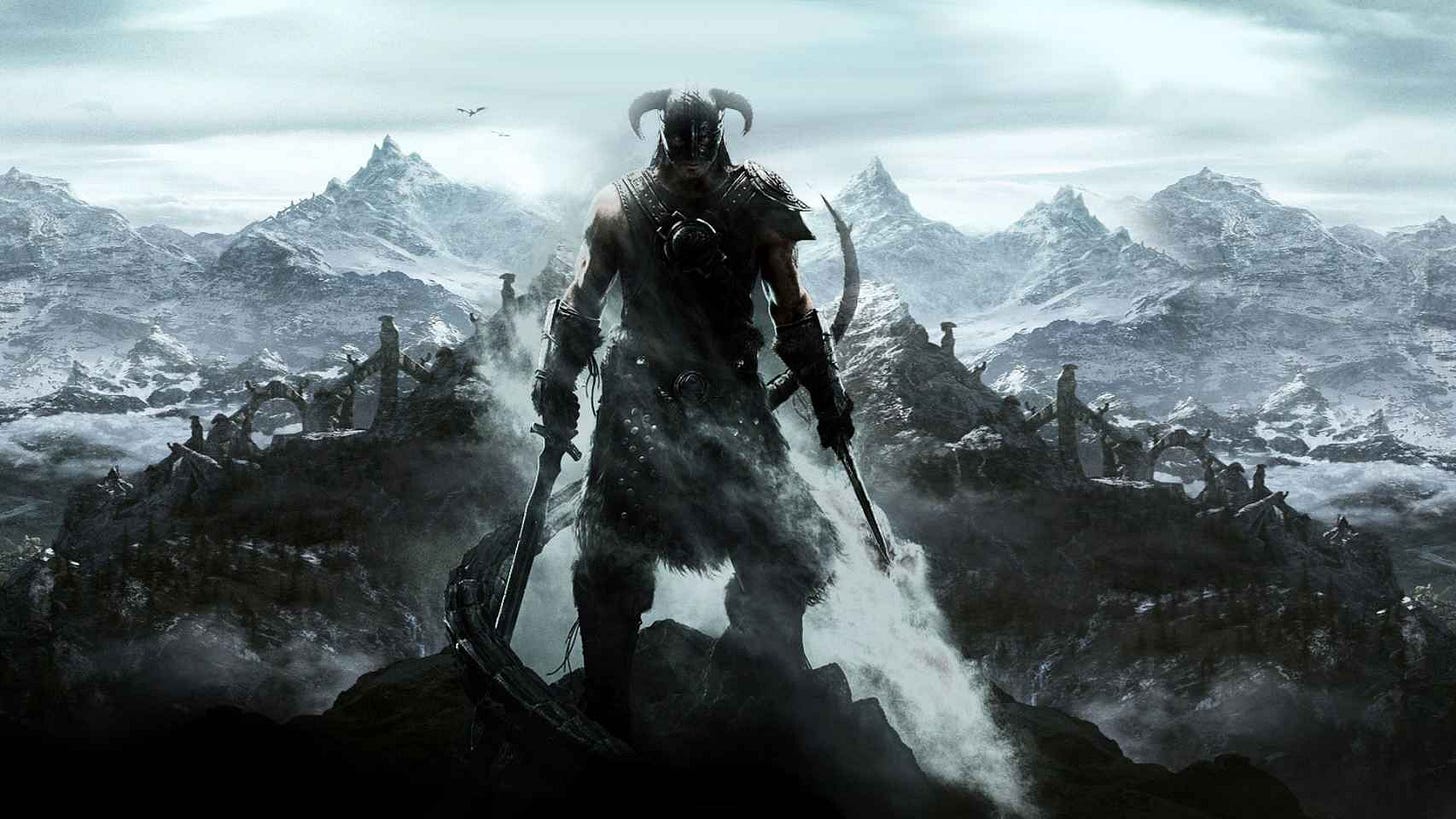
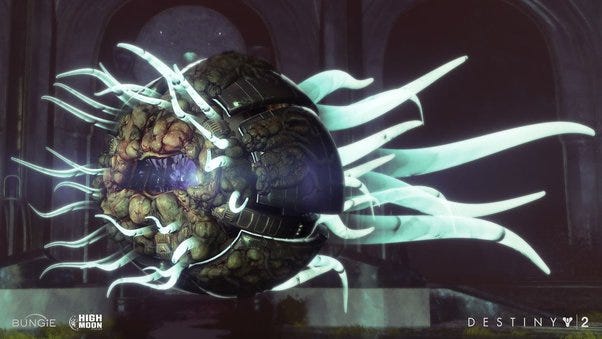
Increasing the difficulty of a game by just increasing the time it takes to beat it. There are multiple examples of this, from Destiny 2 and their bullet sponge bosses to Yu-Gi-Oh: The Sacred Cards and its expansion, increasing the costs of cards so you’d have to grind more to get the cards needed. Increasing the difficulty of a game shouldn’t take you more time to beat it, but more skill. In the case of Destiny 2, it could be new abilities to bosses that requires you to be more precise with your movements and timing to avoid them. In the case of Yu-Gi-Oh, it should be new enemies with better decks to play against. The more time = more difficulty pattern is just lazy game design.
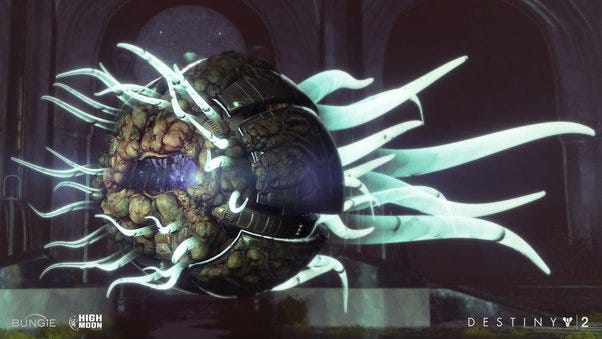
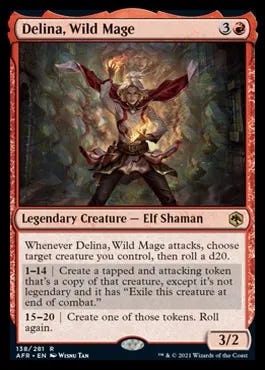
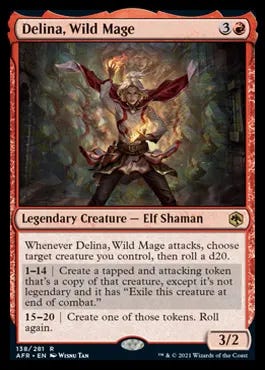
Randomness. Yes, this is a personal one and I know not many designers will agree with me on this one. But the more randomness you add to a game, the less agency a player has with their decisions. Even one of my all-time favorite games does this, like Magic: The Gathering. I understand that top-decking or a very unlikely roll can add a lot of emotion to the game, but in the case of Magic or Hearthstone for instance, this emotion is a zero-sum game. Imagine playing flawlessly the whole game then losing to a top-deck from a Monored player. Not fun at all. Reducing RNG is a way to make the players have more impact in the game with each decision they make.
Durability Systems. The prime example of this is Breath of the Wild. I mean, yeah there may be some fun in doing inventory management, picking and choosing what weapon to use against what enemy (not for me, though). But man, you are a hero in a fantasy story. You’d want to slay dragons, overcome challenges and rescue the princess, not check how rusty your sword is and making sure you have a good replacement or using a subpar weapon to save up the good one. It feels like a chore rather than a meaningful system.


There are many other examples, but you see the patterns: lack of feeling of progression, wrong incentives to play, lazy difficulty settings, RNG abuse and mechanics that feel like a chore.
On this topic, when implementing a new mechanic, I always ask myself if it passes the Chore Test. The Chore Test is basically saying “Is this mechanic engaging to the player or feels like a chore?” If the answer tends to the latter, I’ll scrap it and work on it again. I take one step back and ask “Why I’m introducing this? What objective I’m trying to achieve?” and explore a different path to implement the mechanic again from this point, hopefully coming out the other side with an engaging gameplay loop. It is a good rule of thumb I use regularly when designing games.
The conclusion is then: before introducing a gameplay loop or mechanic that creates some unintended behavior on the player, then take it back to the drawing board and start over. You might find there are other ways to create the intended behavior without any secondary effects.